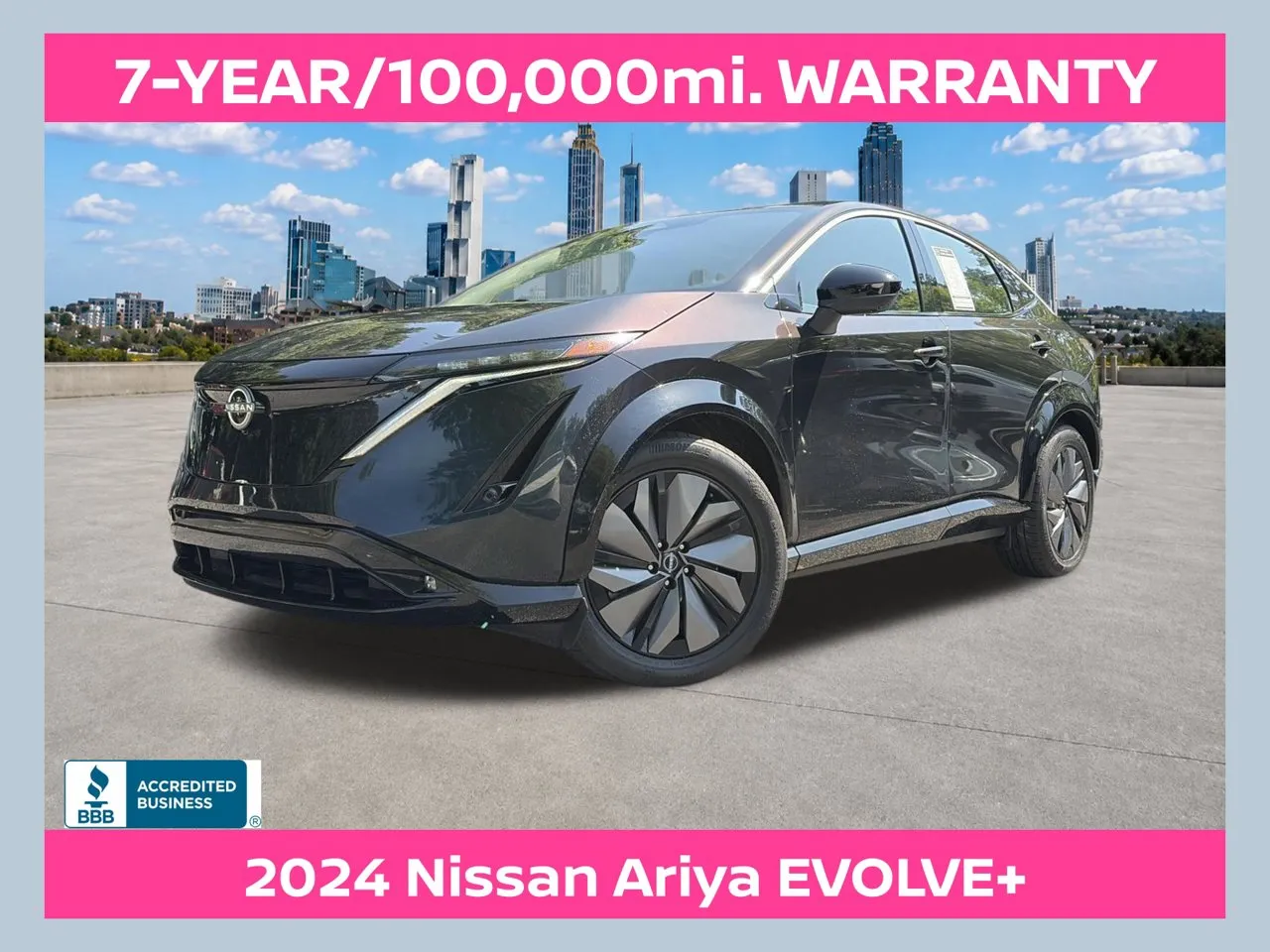
Vehicle Selection For Families - What Are The Best Options? - Nissan of Marietta
Family Vehicle Selection: 2025 Safety and Comfort Guide for Georgia Families
Quick Answer
Choosing the right family vehicle requires balancing safety features, cargo space, fuel efficiency, and budget considerations specific to your family's needs. For Georgia families, essential features include IIHS Top Safety Pick ratings (which reduce injury rates by 25%), adequate rear seat space (minimum 35 inches for car seats), and fuel efficiency of 30+ mpg for Atlanta commuting to manage the $2,000-$3,000 annual fuel costs.
Browse Family Vehicles
Explore our selection of family-friendly vehicles with safety ratings and features perfect for Georgia families.
Speak with a Family Vehicle Expert
Get personalized recommendations based on your family's specific needs and budget.
The Reality of Family Vehicle Shopping in Georgia
Three months ago, I watched a young couple from Marietta struggle with a decision that would impact their family for years. They had a newborn, a toddler, and were expecting their third child. Standing in our showroom, they were torn between a compact sedan that fit their budget and a three-row SUV that seemed to fit their growing family. "We just don't know what we actually need," the mother said, bouncing their baby while their toddler explored the vehicles.
This scenario plays out daily across Georgia dealerships. Families face pressure from marketing messages, well-meaning relatives, and their own assumptions about what they "should" drive. The truth is, choosing the right family vehicle isn't about following trends or buying the biggest option you can afford – it's about honestly assessing your real needs and finding the vehicle that makes your daily life easier, not harder.
Here in Georgia, family vehicle selection comes with unique considerations. You're dealing with school zones around Wheeler, Lassiter, and Walton High Schools where visibility and maneuverability matter. Weekend trips to Lake Lanier require cargo space for coolers, beach gear, and sports equipment. Daily commutes to Atlanta demand fuel efficiency to manage rising gas costs. And Georgia's climate requires reliable air conditioning and systems that can handle extreme heat.
After 15 years of helping Cobb County families choose vehicles, I've learned that the best family vehicle is rarely the most expensive or the largest – it's the one that fits your actual lifestyle while keeping your family safe and your budget intact.
Understanding Your Real Family Needs
Before you step foot on a dealer lot, you need an honest assessment of your actual transportation needs. This isn't about what you might need someday or what looks good in your driveway – it's about what you need for your daily life.
Family Size Reality Check
If you have two children or fewer and don't regularly transport other people, you probably don't need a three-row SUV. The extra space comes with extra costs – higher purchase price, increased fuel consumption, more expensive insurance, and higher maintenance costs.
Cargo Space Assessment
Think about your typical cargo needs, not your once-a-year moving day. Do you regularly haul sports equipment? Weekend trips to Lake Lanier? Frequent Costco runs? Or primarily groceries, school backpacks, and the occasional stroller?
Daily Driving Patterns
Georgia families often underestimate their daily driving needs. Commuting from Marietta to Atlanta is 50+ miles daily. At current gas prices, the difference between 25 mpg versus 35 mpg costs about $600 annually.
Budget Reality
Don't just consider monthly payments. Factor in insurance costs, which in Cobb County average $1,200-$1,500 annually – about 15% higher than rural Georgia due to Atlanta traffic density.
18,000+ Miles Annually
Cobb County families average due to Atlanta commuting, making fuel efficiency critical
Safety: Beyond the Star Ratings

Vehicle safety for families goes far beyond crash test ratings, though those remain important. IIHS Top Safety Pick winners show 25% lower injury rates in family-involved accidents, making safety awards a crucial starting point for family vehicle selection.
Child Seat Compatibility
Not all vehicles accommodate child safety seats properly, regardless of their safety ratings. You need at least 35 inches of rear seat depth for most rear-facing infant seats.
Some luxury vehicles with heavily contoured rear seats can't accommodate car seats correctly, creating safety risks despite high crash test scores.
Visibility and Awareness
In Georgia school zones, visibility can prevent accidents before they happen. You need clear sight lines to spot children who might dart between parked cars.
Higher seating positions help, but so do minimal blind spots and good glass area.
Active Safety Systems
Modern safety technology can prevent accidents in family driving scenarios. Automatic emergency braking helps in stop-and-go school traffic. Blind spot monitoring assists with lane changes on busy I-75. Rear door alert reminds busy parents to check the back seat – a simple feature that addresses a real parental concern.
Modern vehicles like the Nissan Rogue offer comprehensive safety suites that include automatic emergency braking, blind spot intervention, and rear door alert – features specifically valuable for family driving scenarios. These systems work together to create multiple layers of protection for your most precious cargo.
Practical Family Features That Actually Matter
Marketing departments love to promote features that sound impressive but don't improve daily family life. Here's what actually matters for Georgia families navigating real-world challenges.
Climate Control Essentials
Georgia heat makes rear seat climate controls a necessity, not a luxury. Children in car seats can't regulate their own temperature, and rear passengers often experience different temperatures than front seat occupants.
Automatic climate control that maintains consistent temperatures throughout the cabin prevents the constant "I'm too hot" or "I'm too cold" complaints during summer drives.
Technology That Helps
Useful family technology solves real problems. Navigation systems help you find the nearest urgent care when someone gets hurt at soccer practice. Voice recognition that works with background noise lets you make hands-free calls while kids are talking.
Smartphone integration allows passengers to control music without driver distraction.
Systems like NissanConnect provide real-time traffic updates crucial for Atlanta commuting, helping you avoid delays that affect school pickup timing. The voice recognition works even with children talking in the background – a feature that matters more than you might expect.
Storage and Access Solutions
- Effective Storage: Can you fit a stroller and groceries simultaneously? Are there enough cup holders for everyone?
- Easy Access: Sliding doors help in tight parking spaces common at Marietta Square events
- Power Features: Power liftgates help when your hands are full of sports equipment or groceries
- Low Load Floors: Make it easier to lift heavy items into the cargo area
$600 Annual Savings
Difference between 25 mpg and 35 mpg for Georgia commuting families
Vehicle Category Analysis: Honest Pros and Cons
Each vehicle category offers distinct advantages and disadvantages for family use. Understanding these trade-offs helps you choose based on your actual needs rather than marketing messages or social pressure.
Sedans: The Underrated Family Option
Advantages:
- Fuel economy: 32-38 mpg
- Insurance costs 10-15% lower than SUVs
- Easier parking at Marietta Square events
- Lower purchase prices
Limitations:
- Cargo space: 15-16 cubic feet
- Loading car seats requires more bending
- Reduced visibility in school zones
- Limited space for sports equipment
Best for: Families with one child or couples planning to start a family. Vehicles like the Nissan Sentra offer excellent value, reliability, and efficiency.
Compact SUVs: The Sweet Spot for Most Families
Advantages:
- Cargo space: 25-30 cubic feet
- Higher seating for better visibility
- Fuel economy: 33 mpg (Nissan Rogue)
- Moderate insurance costs
Trade-offs:
- Slightly higher purchase prices
- Marginally increased fuel costs vs sedans
- More complex systems than sedans
Best for: Families with 2-3 children or active lifestyles involving sports and outdoor activities. Often provide the best overall value.
Midsize SUVs: Maximum Space with Maximum Costs
Advantages:
- Maximum cargo space: 35-40 cubic feet
- Seating for 7-8 passengers
- Excellent safety ratings
- Towing capability
Costs:
- Fuel economy: 24-28 mpg
- $400-600 more annually in fuel
- Insurance costs 20-25% higher
- Higher maintenance complexity
Best for: Families with 4+ children, regular carpooling responsibilities, or frequent large cargo needs. For smaller families, often expensive overkill.
Minivans: Maximum Functionality, Minimum Prestige
Advantages:
- Most family-friendly features per dollar
- Sliding doors for tight spaces
- Low load floors for easy loading
- Unmatched interior space efficiency
Disadvantages:
- Styling preference issues
- Lower resale values
- Social stigma for some families
Best for: Families prioritizing functionality over image. Often provide the best transportation value available.
The Georgia Family Decision Framework
Choosing the right family vehicle requires a systematic approach that considers your specific circumstances rather than general recommendations.
Step 1: Honest Needs Assessment
- Count your children and regular passengers
- Measure your typical cargo requirements
- Calculate your annual mileage
- Assess your budget including all ownership costs
Step 2: Safety Priority Setting
- Require IIHS Top Safety Pick awards
- Verify child seat compatibility
- Test visibility in various scenarios
- Evaluate active safety systems
Step 3: Practical Feature Evaluation
- Test climate control in Georgia heat
- Evaluate technology usefulness
- Assess storage solutions
- Consider access convenience
Step 4: Total Cost Analysis
- Calculate purchase price including taxes
- Estimate insurance costs
- Project fuel costs based on driving
- Research maintenance and repair costs
Step 5: Real-World Testing
- Test drive with your family, including children in car seats
- Evaluate parking and maneuvering in tight spaces
- Test cargo loading with your typical items
- Assess comfort during longer drives
Common Family Vehicle Selection Mistakes
Understanding common mistakes helps you avoid expensive decisions that don't serve your family's needs.
Mistake 1: Buying for Worst-Case Scenarios
Many families choose vehicles based on their most demanding transportation needs rather than typical daily requirements. Buying a three-row SUV because you occasionally transport extra passengers means paying extra costs daily for rarely-used capability.
Mistake 2: Ignoring Total Ownership Costs
Focusing only on monthly payments ignores insurance, fuel, maintenance, and depreciation costs that often exceed the payment amount. A vehicle with lower payments but higher operating costs can be more expensive overall.
Mistake 3: Choosing Based on Others' Needs
Your neighbor's perfect family vehicle might be wrong for your family. Different family sizes, driving patterns, and priorities require different solutions.
Mistake 4: Underestimating Fuel Costs
Georgia families often underestimate annual fuel costs, especially with Atlanta commuting. The difference between efficient and inefficient vehicles can cost $1,000+ annually.
Mistake 5: Overcomplicating Technology
Complex infotainment systems can be more frustrating than helpful for families. Simple, reliable systems often work better than feature-rich options that require extensive learning curves.
Special Considerations for Georgia Families

Georgia's unique environment and lifestyle create specific considerations for family vehicle selection.
Climate Challenges
Georgia heat stresses air conditioning systems and affects battery life. Choose vehicles with robust cooling systems and reliable electrical components. Ensure adequate rear seat climate control for children's comfort and safety.
Commuting Realities
Atlanta traffic patterns affect vehicle choice. Stop-and-go traffic favors vehicles with smooth transmissions and comfortable seating. Fuel efficiency becomes critical with long daily commutes.
Seasonal Activities
Georgia families often enjoy outdoor activities requiring cargo space – Lake Lanier trips, camping, sports equipment transport. Consider your seasonal cargo needs when evaluating space requirements.
School Zone Navigation
Georgia school zones require good visibility and maneuverability. Higher seating positions help spot children, while compact dimensions ease parking in crowded school lots.
Making the Final Decision
The best family vehicle decision balances multiple factors specific to your situation. No single vehicle excels in every category, so prioritize features that matter most for your family's daily life.
Priority Setting Framework
- Safety (non-negotiable)
- Budget fit (including all ownership costs)
- Daily functionality (school, work, activities)
- Comfort and convenience
- Preferences and wants
Test Drive Strategy
- Drive during your typical commuting times
- Test parking in spaces you regularly use
- Evaluate cargo loading with your typical items
- Include all family members in the evaluation process
Remember that the best family vehicle is the one that makes your daily life easier while keeping your family safe and your budget intact. Focus on your actual needs rather than marketing messages or social expectations, and you'll make a decision that serves your family well for years to come.
Find Your Perfect Family Vehicle
Let our family vehicle specialists help you find the ideal combination of safety, space, and value.
FAQ: Common Family Vehicle Selection Questions
How many children do I need to justify a three-row SUV?
Generally, families with 3+ children or regular carpooling responsibilities benefit from three-row vehicles. However, consider your specific needs – some families with two children prefer the extra cargo space, while others find compact SUVs sufficient.
What's the real difference in fuel costs between vehicle types?
For Georgia commuting families driving 18,000 miles annually, the difference between a 25 mpg SUV and 35 mpg compact can cost $600-800 annually at current gas prices. Over 5 years, that's $3,000-4,000 in additional fuel costs.
Should I buy new or used for a family vehicle?
Both have merits. New vehicles offer latest safety technology, warranties, and known history. Used vehicles provide better value but require careful inspection. For families prioritizing safety technology, newer vehicles (2-3 years old) often provide the best balance.
How important are advanced safety features for family vehicles?
Very important. Features like automatic emergency braking, blind spot monitoring, and rear door alert address real family driving scenarios. IIHS data shows these systems significantly reduce accident rates, making them worthwhile investments for family safety.
How often should families replace their vehicles?
Most families benefit from 5-7 year ownership cycles, balancing reliability, safety technology updates, and financial efficiency. Families with high mileage may need more frequent replacement, while low-mileage families can extend ownership longer.
What's the best time of year to buy a family vehicle?
End of model years (September-October) and end of calendar years offer best incentives. However, don't let timing override finding the right vehicle for your family. Safety and suitability matter more than saving a few hundred dollars.
How do I involve children in the vehicle selection process?
Include children in test drives to evaluate comfort and space. Let them test entertainment systems and storage solutions. However, make the final decision based on safety, budget, and practical needs rather than children's preferences for features or appearance.
Should I buy extended warranties for family vehicles?
Evaluate carefully. Factory warranties often provide better value than third-party options. Consider your budget for unexpected repairs and the vehicle's reliability record. Extended warranties make more sense for vehicles with higher repair costs or families with tight budgets.
TL;DR: Your Family Vehicle Selection Guide
Choose family vehicles based on actual needs, not marketing or social pressure. For most Georgia families, compact SUVs provide the best balance of safety, efficiency, and functionality. Prioritize IIHS Top Safety Pick awards, adequate cargo space (25+ cubic feet), and fuel efficiency (30+ mpg) for Atlanta commuting. Budget for total ownership costs including insurance ($1,200-1,500 annually in Cobb County) and fuel ($2,000-3,000 annually for commuters). Test drive with your family and car seats installed to ensure real-world compatibility.
About the Author

Sebastian Smith
Automotive Expert & Trusted Industry Advisor
Sebastian Smith has spent over a decade immersed in automotive retail, building deep expertise in vehicle sales, finance, service, and product insights. Growing up around the family dealership instilled in him a passion for cars and a commitment to transparency. Sebastian leverages his lifelong industry experience to empower readers, ensuring they have clear, honest information to confidently navigate every automotive decision.
Vehicle Selection For Families - What Are The Best Options? - Nissan of Marietta